Structural Drying & Dehumidification in Enfield, CT
Surface dry is not dry. The restoration technicians use air movers and LGR dehumidifiers to dry walls, floors, and slabs to a verified reading, so nothing grows behind the drywall.
(860) 789-6176Tap the 24/7 Enfield dispatch line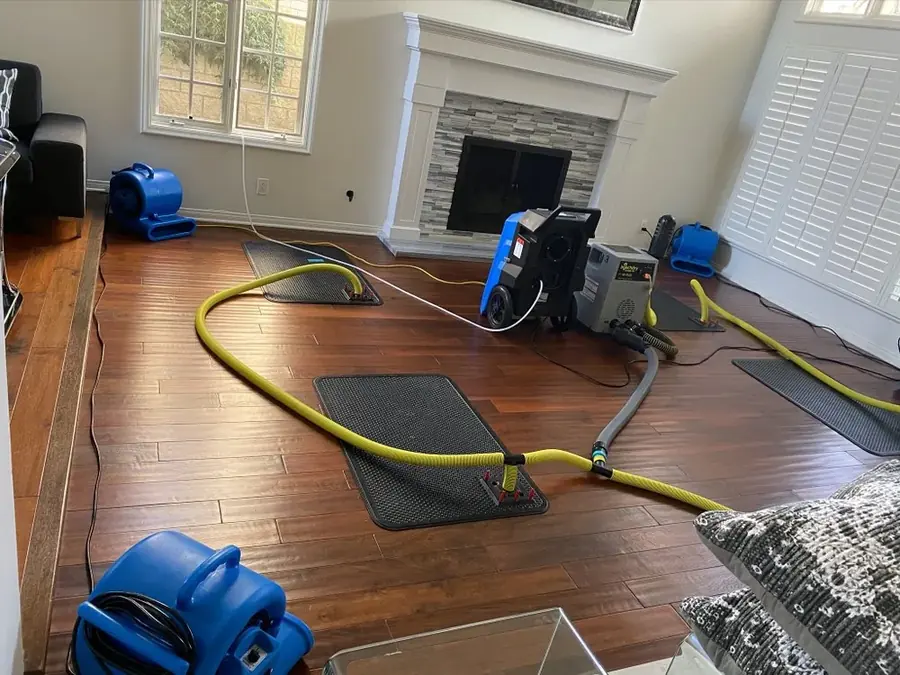
Why Enfield trusts the local pros for structural drying and dehumidification
Rapid local response
The response team answers 24/7, and the nearest crew heads out the moment you call, day or night, across Enfield and the north-central Connecticut line.
IICRC S500 drying standard
Trained crews with truck-mounted extraction, air movers, and moisture meters dry to a verified standard, not a mop and a fan.
Claim-ready documentation
The loss is documented with photos and daily moisture readings, the paperwork an adjuster needs to move a claim.
What to do about structural drying and dehumidification in Enfield right now
- Leave standing water removal to a crew before drying begins.
- Do not close up a damp room, trapped moisture feeds mold.
- Keep household fans off wet walls, they only move surface air.
- Call the Enfield line, and air movers and LGR dehumidifiers dry the structure to a reading.
What does structural drying and dehumidification cost in Enfield, CT?
In Enfield, CT, structural drying and dehumidification typically runs $1,500 to $7,500 or more, depending on how many rooms are wet, the materials, and how long drying takes.
One room
- Air movers and a dehumidifier
- Daily moisture readings
Multi-room
- Larger equipment set
- Wall-cavity and slab drying
Whole floor or basement
- Saturated slab or plaster
- Extended monitored drying
Want a number first? Try the Water Damage Cost Calculator for an Enfield range.
How structural drying and dehumidification is handled in Enfield
Call and dispatch
The response team answers 24/7, and the nearest Enfield crew heads out with pumps, air movers, and moisture meters.
Find the source
The crew stops the water, then maps its full reach, including what soaked into the basement, subfloor, and wall cavities.
Extract and dry
The extraction crew pulls the standing water, then runs air movers and dehumidifiers to a verified dry standard, not just the surface.
Verify and document
The drying team logs moisture readings until the structure is dry, then documents the loss with the photos and daily readings an adjuster needs.
Drying a home is more than pointing fans at a wet floor. Water hides in wall cavities, under flooring, inside a concrete slab, and in old plaster and framing, and those materials give up moisture slowly. If the surface feels dry while the cavity behind it stays wet, the home is not dry, and in a damp New England house that trapped moisture grows mold within days. Structural drying is the science of pulling that moisture out and proving the structure has reached a safe, verified target.
Why proper drying matters in Enfield
New England conditions work against a quick dry-out:
- Damp winters and humid summers slow natural drying to a crawl
- Concrete basement slabs hold and release moisture over many days
- Old plaster, lath, and framing in Thompsonville homes dry slowly
- Closed-up basements trap humid air where mold takes hold fast
Drying follows fast water extraction, and for a flooded lower level it is the core of basement flooding cleanup. Done right, it saves materials a mop-and-fan job would lose.
The structural drying process
Longo Water Damage Restoration dries to a standard, not a guess:
- Map the wet materials with moisture meters and thermal imaging
- Place air movers to move air across every wet surface and cavity
- Run low-grain refrigerant dehumidifiers to pull moisture from the air
- Use mat systems, wall injection, and drilling to dry hidden cavities and slabs
- Take daily readings and adjust until the structure hits a verified dry target
Need a home dried properly, not just fanned? Get an Enfield crew moving now.
Call (860) 789-6176How the crew knows when it is dry
The difference between a professional dry-out and a rented fan is measurement. Crews do not call a home dry because it feels dry, they call it dry when the readings say so, tracked against a dry standard for the materials in your home.
- Baseline readings set the target for wood, drywall, and concrete
- Daily monitoring shows the structure trending toward dry
- The equipment comes out only once the readings confirm it
The EPA guidance on drying water-damaged materials explains why fast, complete drying prevents mold, and the work follows the standards published by the IICRC.
Surface dry is not structurally dry
A wall can feel dry to the touch while the cavity behind it stays soaked. Metered structural drying is the only way to know the framing and insulation are actually dry, which is what keeps mold from starting out of sight.
Structural Drying and Dehumidification across all of Enfield
Based in Enfield, the response team reaches every village and ZIP in town, day or night.
Serving all of Enfield
The Enfield water damage line covers Thompsonville, Hazardville, Scitico, Shaker Pines, and every street in between, day or night.
Related water damage services
Structural Drying and Dehumidification questions, answered
Water in your home right now?
Do not wait for the FAQ. A local Enfield crew is standing by 24/7.
(860) 789-6176 Call nowWhat is structural drying?
Structural drying is drying the building materials, the framing, drywall, flooring, and slab, back to a safe moisture level using air movers and dehumidifiers, and proving it with meter readings rather than just drying the surface you can see.
How long does structural drying take?
Most homes dry in 3 to 5 days, longer for a saturated slab, old plaster, or hardwood. Damp New England air slows things down, so crews run commercial dehumidifiers and monitor daily until the readings hit a safe target.
Why can't I just use fans and open windows?
Household fans and open windows move surface air but do not pull moisture from a slab, cavity, or old framing, and in humid weather they can add moisture. Commercial air movers and dehumidifiers dry the structure so mold cannot start.
How do you dry inside walls and floors?
Crews use mat systems on floors, inject air into wall cavities, and drill small controlled holes where needed so the drying reaches the hidden moisture, then verify with meters before crews finish.
How do you know when my home is actually dry?
Crews take daily moisture readings and compare them to a dry standard for each material. The equipment comes out only when the readings confirm the structure has reached that target, not just when it feels dry.
Does drying prevent mold?
Fast, complete drying is the most effective way to prevent mold, because mold needs moisture to grow. Drying the structure to a verified standard within the first days removes the moisture before mold can take hold.
Water in your Enfield home? Call now.
Water sitting means damage spreading. Call Longo Water Damage Restoration and a local crew heads out across Enfield, day or night.
(860) 789-6176Call before it spreads, day or night